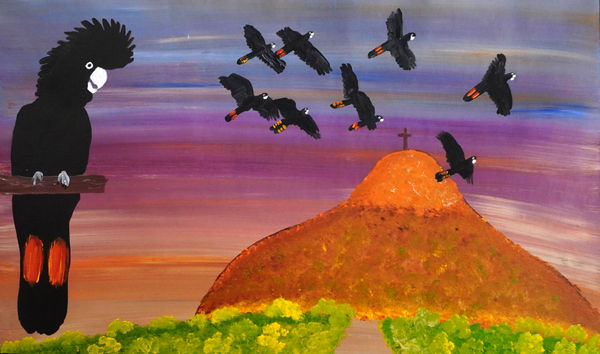
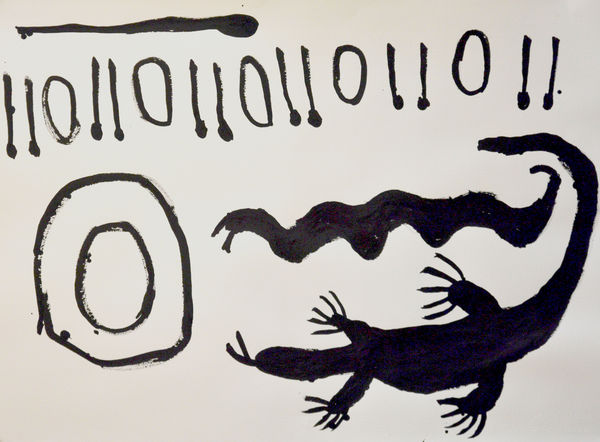
SPOTLIGHT ON ANIMAL LIFE: ARTWORKS FROM THE BUNGALOW
Current viewing_room
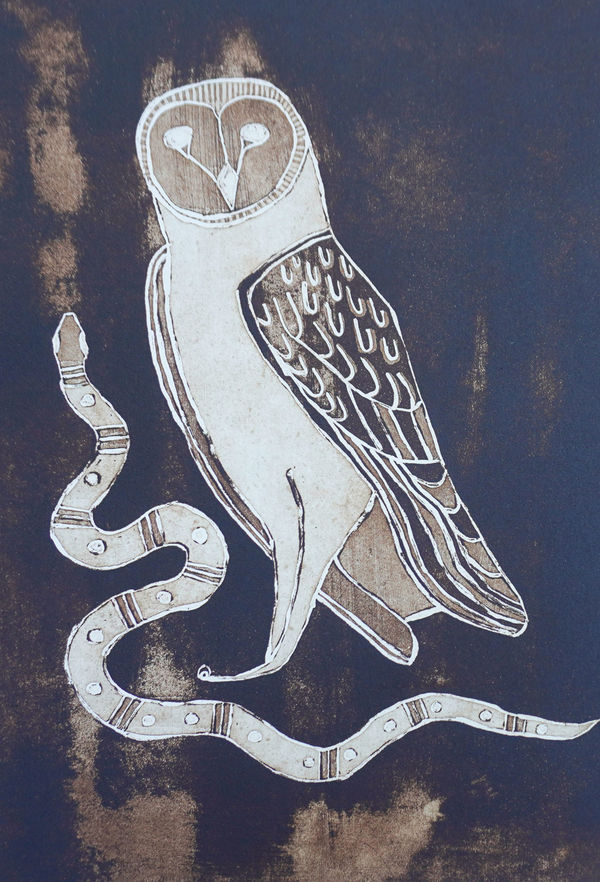
Animal life holds a central and deeply symbolic role in Aboriginal Australian painting, here creatures are far more than subjects of observation. They can be embodiments of ancestral presence, spiritual knowledge, and ecological connection. Across language groups, animals often appear as part of a spiritual narrative, representing ancestral beings who shaped the land and established laws for living. They can be depicted in a purely naturalistic way or instead, artists use stylised forms, patterning, and symbolism to convey layers of meaning. For example, x-ray style painting from Arnhem Land reveals the internal structures of animals, emphasising not just their physical form but their essence and life force.
In many artworks, animals also function as markers of identity, territory, and responsibility. Specific species may be tied to particular clans or kinship groups, reflecting custodial relationships with land and its inhabitants. Through repeated motifs, tracks, and totemic imagery, artists communicate knowledge about animal behaviour, seasonal cycles, and survival practices. This makes the artist's paintings both visually compelling and pedagogical, preserving cultural knowledge across generations. Rather than isolating animals as separate from human experience these works situate them within an intricate network of relationships, reinforcing a philosophy of respect, balance, and continuity between all living things, in which humans, animals, and the environment are inseparably linked.
We invite you to view a selection of artworks from the Bungalow that traverse animal life from Arnhem Land thru to southern desert regions. A price list is available via enquiries@shortstgallery.com.
In many artworks, animals also function as markers of identity, territory, and responsibility. Specific species may be tied to particular clans or kinship groups, reflecting custodial relationships with land and its inhabitants. Through repeated motifs, tracks, and totemic imagery, artists communicate knowledge about animal behaviour, seasonal cycles, and survival practices. This makes the artist's paintings both visually compelling and pedagogical, preserving cultural knowledge across generations. Rather than isolating animals as separate from human experience these works situate them within an intricate network of relationships, reinforcing a philosophy of respect, balance, and continuity between all living things, in which humans, animals, and the environment are inseparably linked.
We invite you to view a selection of artworks from the Bungalow that traverse animal life from Arnhem Land thru to southern desert regions. A price list is available via enquiries@shortstgallery.com.
-
 Leah UmbagaiJaiya (fish), 2025acrylic on canvas142 x 198 cm
 -
Stanley TaylorDumbi & Ungud, 2024etching on paper - edition original intaglio print52 x 68 cm
-
Mick WikilyiriWanampi - Water or Rainbow snake, 2011acrylic on linen101.5 x 101.5 cm
-
Kukika AdamsonWanampi Tjukurpa, 2023acrylic on linen153 x 168 cm



-
Joe GuymalaDadbe Yimeng Walkarri Kunwardde (King brown snake hiding underneath a stone), 2021acrylic and earth pigments on paper41 x 61 cm
-
Graham BadariKarndayh (Female Red Kangaroo), 2022Pandanus fibre and natural dyes61 x 41 cm
-
Sharon AdamsonWanampi Tjukurpa, 2020acrylic on linen152.5 x 101.5 cm
-
John (Prince) SiddonAny Gurwee (Fish), 2024acrylic on canvas (Stretched)120 x 90 cm


-
Serena KenNgayuku ngura - My Country, 2026acrylic on linen151 x 123 cm
-
Dulcie SharpeTjulpu, 2025acrylic and ink on paper77 x 56 cm
-
Dulcie SharpeTjulpu, 2026acrylic and ink on paper77 x 56 cm
-
Kukula McdonaldRed Bums Flying At Memory Mountain, 2025acrylic on linen85 x 47 cm


-
Kukula McdonaldRed Bums Flying At Memory Mountain, 2025acrylic on linen75.5 x 45 cm
-
Billy Atkins (Yunkurra)Jila (snake, living water), 2019acrylic on canvas36 x 76 cm
-
Nathan Brown TjangalaWanampi, 2023acrylic on linen91 x 152 cm
-
Janet DreamerRain Birds, 2018acrylic on canvas70 x 30 cm